Nature Coast Safety
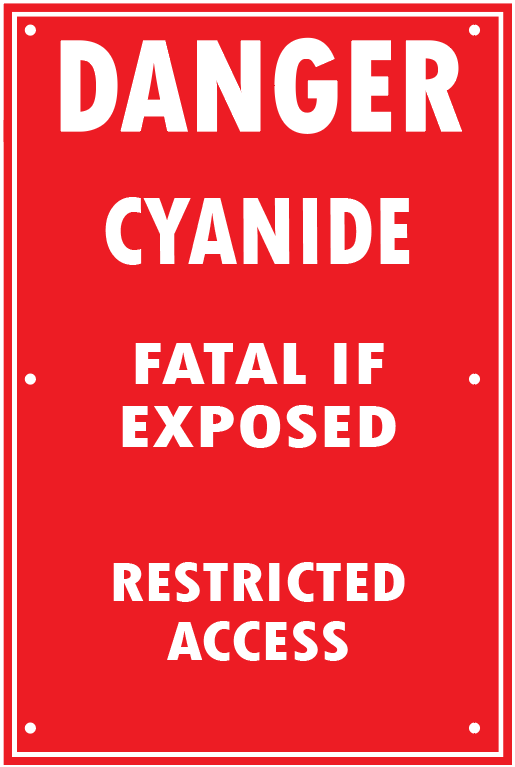
CYANIDE
CYANIDE
Couldn't load pickup availability
The last sign you’ll ever need.
Printed signs fade and fail—CNC-carved HDPE is permanent.
Precision CNC-carved from a .25” thick, sheet of solid Color Core HDPE, this is not a printed or laminated sign—it’s built to withstand indoor or outdoor industrial environments without peeling, fading, rusting, or rotting.
Key Features
ANSI-style Red / White hazard color scheme
CNC-carved graphics — no vinyl, ink, or overlays. The exterior is red matte finish, and the interior core (carved lettering) is white.
Solid Color Core HDPE construction.
Resistant to moisture, chemicals, and corrosion.
Easy to clean according to your facility’s internal SSOPs.
Mounting holes included (quantity varies by size)
Available Sizes
10" × 14" (SKU: DAN-CYA-1014)
12" × 18" (SKU: DAN-CYA-1218)
Typical Applications
Chemical processing facilities
Metal plating operations
Mining and refining environments
Laboratories and research facilities
Compliance & Manufacturing Notes
Designed in accordance with ANSI Z535 visual communication principles
Intended for use in OSHA-regulated and cGMP-controlled facilities
Manufactured from Color Core HDPE using CNC machining
Non-laminated, non-printed construction for permanent contrast
Suitable for indoor and controlled outdoor environments
Final determination of regulatory suitability remains the responsibility of the facility safety or compliance authority.
Production & Processing
Orders are processed in daily production batches. Orders placed before 12:00 PM EST are prioritized for the next production run.
Share